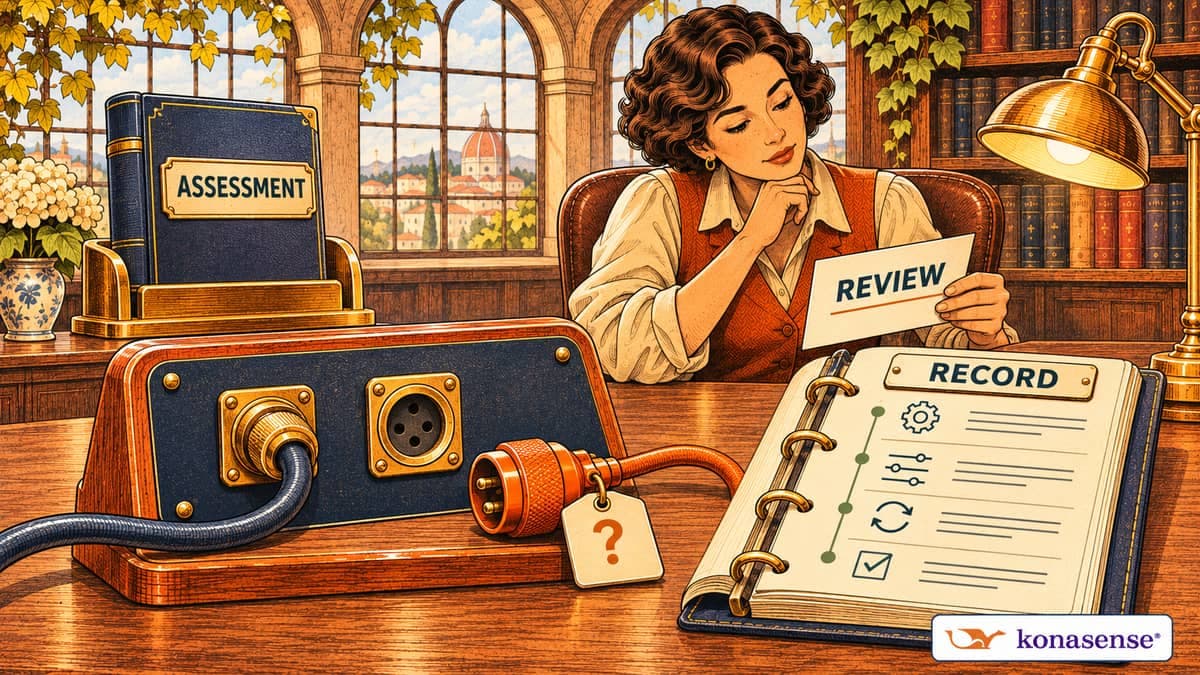
An enterprise AI approval is incomplete when it names a model but leaves the surrounding software unexamined. The business is authorizing a working environment, with people, integrations, and access to company resources. Its approval record should describe that environment clearly enough to identify when it changes.
On October 30, 2026, CERT-EU reported an isolated lab experiment using modified local copies of legitimate third-party agent extensions. The inserted code collected information independently of the model. The researchers did not alter or distribute public releases; the report describes a controlled experiment with local copies.
For an executive committee, the useful response is to examine the scope of its own authorization. Does the approval cover the service selected by procurement, the application employees install, or the complete configuration used to do the work? Those answers can describe different things.
Define what the approval actually covers
Imagine an engineering team cleared to use an AI service for a bounded development task. A developer later adds a convenience plugin, then connects another internal system. The business task still looks the same, but the configuration has changed. The approval process needs a way to recognize that change before “approved AI” becomes a label for an environment nobody reviewed.
A useful approval record should identify the application, its permitted extension set, the relevant configuration, the business purpose, and the accountable owner. It should distinguish changes that are preauthorized from changes needing review. The objective is a reproducible decision, rather than a list of brands that anyone can interpret broadly.
This is an organizational question as much as a security question. A team cannot be held to a configuration it cannot identify. An auditor cannot reconstruct the original decision from a provider name alone.
Assign responsibility for the parts between contracts
Procurement may manage the model agreement while engineering chooses the agent application and individual teams choose extensions. That division needs an explicit handoff. Ask who accepts a new plugin into the approved configuration, who can reverse that decision, and who receives notice when the supplier changes ownership or the integration changes behavior.
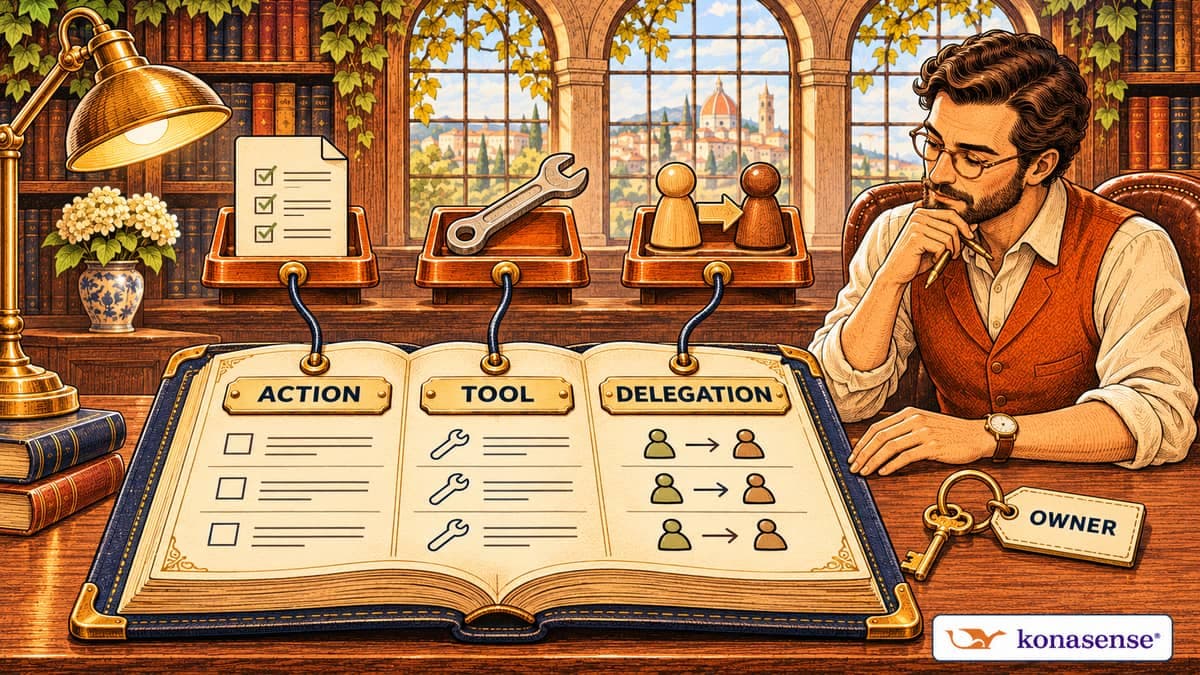
One workable approach is to assign a platform owner responsibility for the approved configuration and a business owner responsibility for its use. Security supplies acceptance criteria and reviews material exceptions. Neither a contract signature nor a successful installation should silently become the final security decision.
For smaller teams, these duties may belong to the same person. The distinction still matters: approving a purchase and accepting an expanded use of company resources are separate decisions. Record both when the circumstances require them.
Ask which boundary each control protects
CERT-EU's result highlights a specific limit: a control on model-generated tool calls may not intercept plugin code acting independently. That distinction should remain explicit in an AI agent security assessment.
For each material risk, ask the technical team to state the control's entry point, the action it can affect, and the evidence showing it worked. “We inspect agent actions” needs a narrower explanation before it supports a decision about all software running in that environment.
The exercise does not need an exploit. A benign test operation outside the inspected path can show where one control ends and another responsibility begins. Require the assessment to name that boundary rather than interpret silence in one dashboard as proof of inactivity everywhere.
Approve a change process, not a frozen screenshot
An initial review loses value if nobody knows what updates it. Define the events that reopen the decision: adding an integration, changing its purpose, moving to a more sensitive project, or introducing a different operating account. The review should follow the changed exposure rather than repeat the entire procurement exercise by default.
For a proposed extension, record the source, version, additional permissions, and systems it would reach before adding it to the approved configuration. Name who can authorize that addition and who can withdraw it. An update that expands access should be visible in the configuration history, even when its advertised purpose is unchanged.
Then test the administrative side. Can the organization identify the teams using that configuration and reach them with a withdrawal decision? A technically sound review has limited value if its outcome cannot be applied to the people doing the work.
Compare the approved configuration with what runs
The deliverable is a configuration inventory that a reviewer can compare with an installed environment: agent application and version, extensions and their sources, operating account, permissions, and connected systems. Mark unreviewed additions separately so that the inventory does not turn their presence into approval.
A technical team can then run a benign boundary test in an isolated environment. For example, an authorized test extension writes a fixed, non-sensitive marker to a temporary file from its own event handler, without asking the model to generate a tool call. Compare the file operation recorded by the test with what the agent-level control reports. No credentials or real company documents are needed.
Record whether the operation was observed, prevented, or outside that control's coverage. Identify the separate control responsible for that path and any remaining gap. This exercise tests one path; it does not establish that every extension is safe. It does give leadership a specific answer about what the approved configuration and its controls actually cover.