A skill approved for one team should not automatically carry the same authority into another. Reusable instructions can travel quickly. Permission to use customer data, change a repository, or publish a result must remain tied to a specific business purpose and environment.
On October 22, 2026, Anthropic announced the donation of Agent Skills to the Agentic AI Foundation. The standard packages task instructions in a SKILL.md file, with supporting scripts or references. A shared standard makes reuse easier; it does not make every package appropriate for every enterprise workflow.
The executive question is what happens when successful experimentation becomes routine reuse. If a team copies a useful skill into another department, does anyone know which assumptions stopped being true? That is where an adoption program needs a decision process that travels with the artifact.
Approve a use, not an unlimited permission
Consider an illustrative skill that prepares a quarterly customer review. In a sales sandbox, it reads synthetic account records and produces a local document. The same instructions in a production workspace could encounter confidential contracts, support histories, or credentials for a publishing tool. The name of the skill has not changed. The consequence of using it has.
An approval should therefore describe the combination of skill, task, user group, data, and environment. “Approved for account summaries using these records” is a usable decision. “Approved skill” leaves the next team to guess what was assessed. This is a practical extension of AI agent governance: authority belongs to a bounded activity, not merely to a reusable file.
That approach also protects useful reuse. A low-risk adaptation can proceed within known conditions, while a change in data sensitivity or external access gets a focused review. Every copy does not need a new committee. It needs a clear answer about whether the previous decision still applies.
Make the approval understandable outside its original team
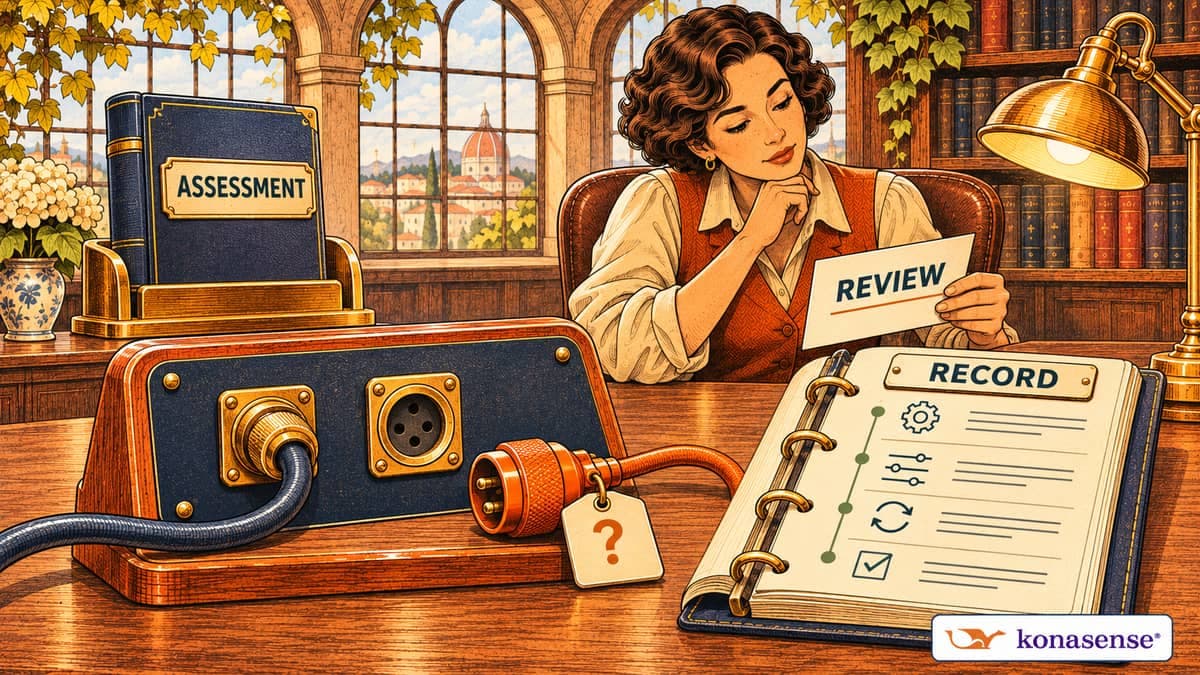
We recommend a short record that accompanies each approved use. It should identify a business owner, an accountable technical maintainer, the reviewed version, permitted inputs, expected outputs, and any prohibited actions. Include the environment in which the review occurred and what would require another review.
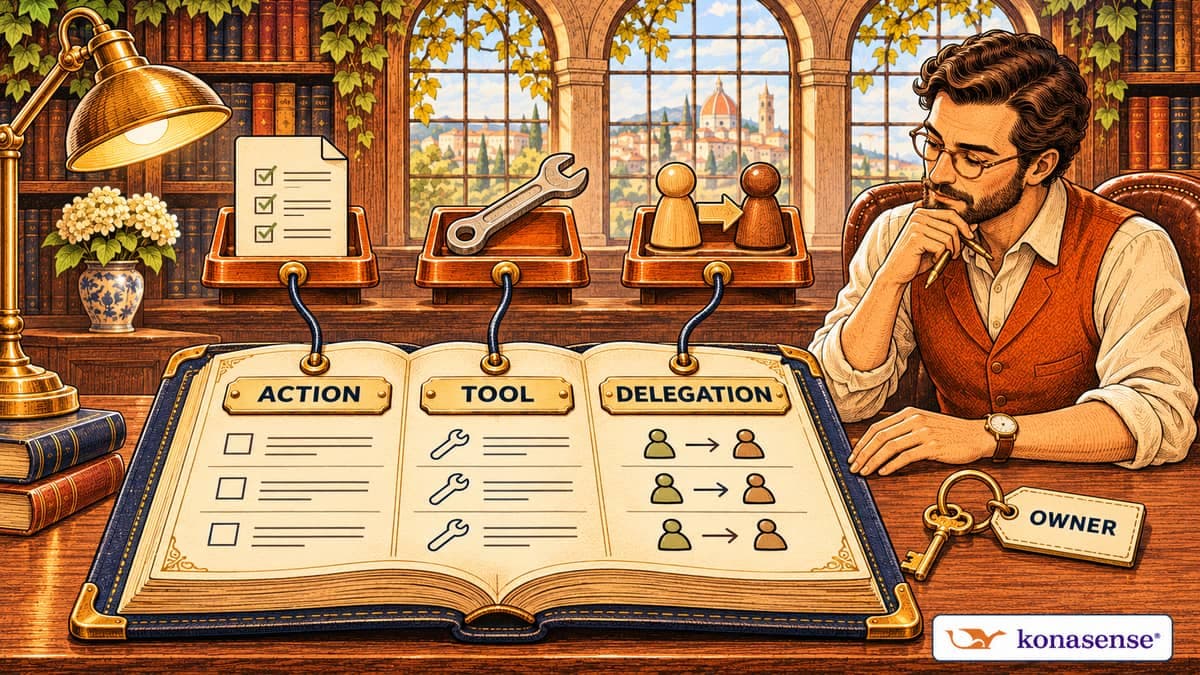
The business owner answers whether the procedure remains appropriate. The maintainer answers what changed in the artifact and its dependencies. Security evaluates the access needed to perform the task. These are different responsibilities; assigning all of them to whoever first downloaded the skill creates an accidental approval authority.
Treat a change in access as a change in risk
Review changes by their effect on behavior, whether they appear in code or written instructions. A typographical correction that leaves the meaning unchanged differs from an instruction that sends documents outside the company. Ask whether an update changes the data read, systems reached, credentials used, actions attempted, or people affected by the output.
In the customer-review example, correcting a spelling error in a heading may remain within the original approval. Replacing “save the draft locally” with “send the report to the customer” requires a new review, even if the only changed file is SKILL.md. The recipient and the authority to send matter more than the size of the edit.
Also define withdrawal. If the owner leaves, a dependency becomes unsuitable, or the task is retired, somebody needs authority to remove the approval and notify teams using it. A catalog that supports adoption but cannot retire a use is an incomplete operating process.
Test the task where it will actually run
A proposed acceptance exercise should use representative, non-sensitive data in the intended environment. Ask the team to show the permitted result, an attempt outside the approved scope, and the evidence available afterward. Document which restrictions the environment enforces and which remain employee instructions.
For example, “do not publish” in a procedure and a tested restriction on publishing access provide different assurances. The review should make that difference visible to the person accepting the risk. It should also record what the test did not cover, including other applications or credentials the team has not evaluated.
The evidence should be proportionate. An agent audit trail can be designed around task context, the relevant decision, and the outcome without turning the approval program into an archive of every confidential document used by employees.
Send a transfer record with the skill
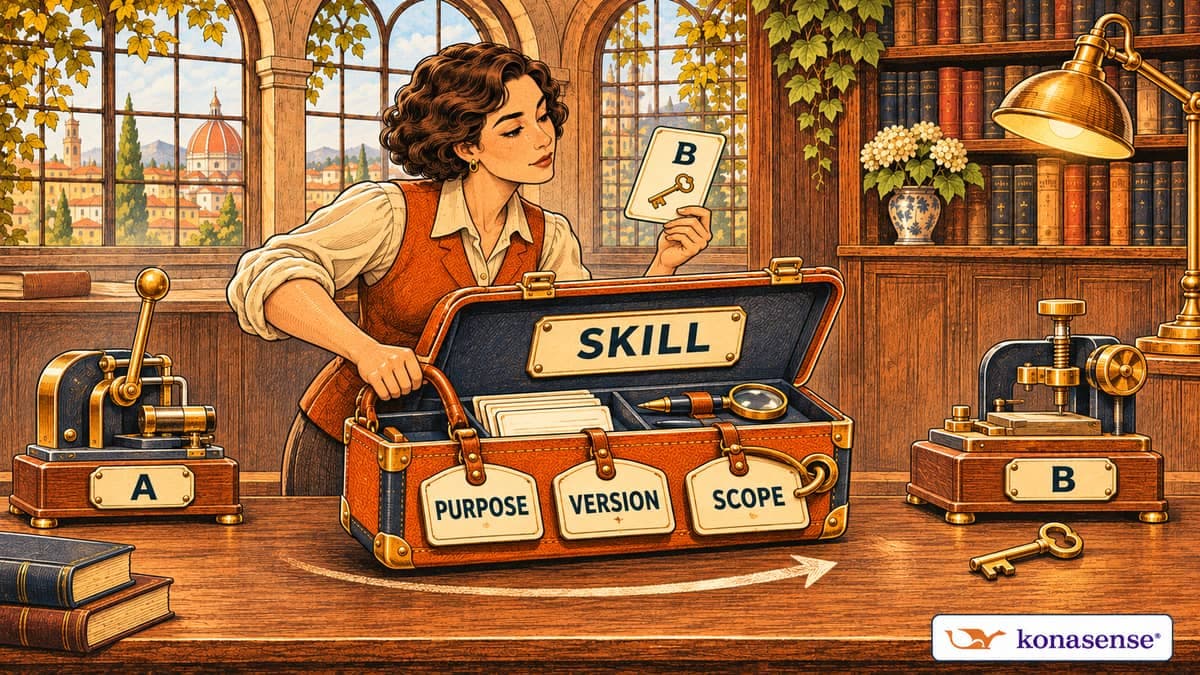
For the customer-review skill, a transfer record should let the receiving team compare the approved use with its intended use:
- Origin and version: the source and exact version of the reviewed skill, including its supporting scripts and dependencies.
- Approved purpose: a local customer-review draft using synthetic records; external distribution was not assessed.
- Original environment: the sales sandbox, operating account, and access used in the test.
- Destination: the receiving team and workspace, with any new datasets or publishing access identified.
- Review decision: the person accepting the destination use, the conditions that need reassessment, and the resulting permission or restriction.
Attach the review date to the version and destination assessed. If the new team needs real customer contracts, the record should show that this use remains unreviewed until someone evaluates it. A formatting routine may be reusable immediately while access to those contracts still needs a decision.