For an enterprise, AI autonomy includes being able to suspend an integration, recover its records, and assess a replacement in the languages its teams use. The regional discussion about AI sovereignty brings those questions into procurement: what can the company move, what must it retain, and what needs testing when the provider changes?
On November 3, 2026, SEGIB reported the agreement in Madrid to create an Ibero-American AI alliance, with voluntary participation. Its priorities include cooperation on data, language models adapted to regional needs, and computing capacity. The announcement was updated on November 4. Ibero-America is the initiative's scope; it should not be read as a uniform policy for all Latin America.
The Madrid Declaration preserves national frameworks. Its item 10 treats the Ibero-American standards on data protection and on identification and interoperability in digital government services as nonbinding references. It does not establish a single regional AI law. The enterprise questions below are our operational interpretation, not new legal obligations attributed to the declaration.
Put exit conditions in the purchase decision
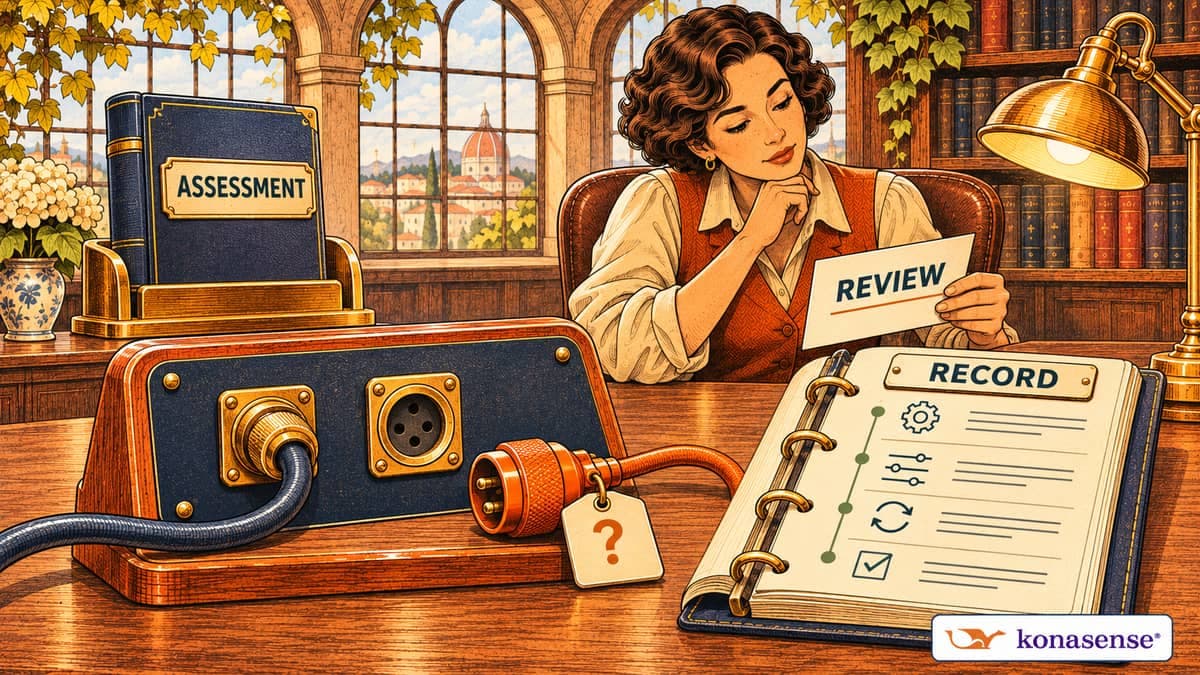
Ask which records the company can export, in what format, within what period, and with whose assistance. Then identify who can stop new submissions, disconnect an integration, or revoke its access. Recovery of previous records and suspension of new activity are separate requirements.
A supplier's nationality or server location does not answer those questions. Procurement should establish the supplier's contractual commitments, such as export support and retention conditions. The operating team should demonstrate the steps it controls, including access revocation and recovery of records. Neither responsibility replaces the other.
An export option is useful only if the company can read the result and retain the context it needs. Before relying on that option, test whether a reviewer can reconstruct a sample case from the exported records without reopening the original service.
Follow the work and its data
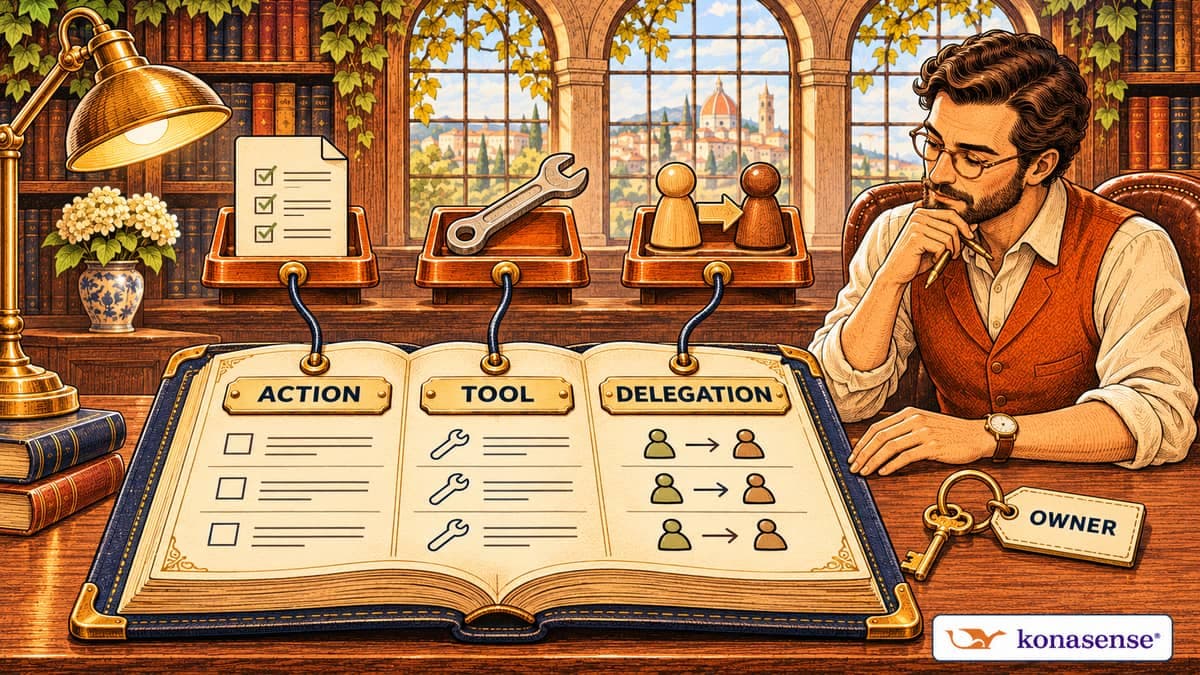
Consider an illustrative regional service team using AI to draft responses to customers. The assessment should follow one request from its source to its final recipient. Identify what the employee submits, which connected systems receive information, where intermediate records are retained, and who can access the finished response.
A procurement discussion limited to the model provider can miss the applications and integrations in that workflow. Ask each supplier to explain its part, then reconcile those explanations into one account of the use case. Gaps between supplier answers are questions for the buyer to resolve, not reasons to assume the handoff is harmless.
For this use case, AI usage governance includes identifying the references needed to connect a request, its draft, the review decision, and the response sent. Decide which of those records must remain accessible after a provider change, subject to the company's access and retention rules. Do not assume that a conversation export contains the history held in connected applications.
Evaluate language in the task, not in the demonstration
Suppose the service team works in Brazil and Mexico. Build a fictional set of equivalent requests in Brazilian Portuguese and Mexican Spanish: a delivery-status question, a disputed invoice amount, and a request that the company's procedure sends to a person for review. The business rule should remain explicit in each case.
Local reviewers should check the customer's intended meaning, the company's terminology, dates and currency formats, and the action proposed. A fluent answer can still attach the wrong amount to an invoice or promise a remedy the team cannot authorize. These are acceptance criteria for the example, not claims about a particular model or a regional legal requirement.
Run the same cases against a proposed replacement and record the differences. “Supports Portuguese and Spanish” does not establish whether it handles these two service contexts. A provider change should not silently reset the conditions under which the team accepted the original workflow.
Check what survives a provider change
Compare the records needed by the service team with the records available after export or migration. For the example, that may include the request reference, language, document references, review decision, and final recipient. If a field is missing, identify whether another company system retains it or whether the process needs to change.
The replacement also needs the approved terminology and routing instructions for each team. A workflow that preserves the text but loses the step requiring local review is not equivalent to the one that was assessed. Have the Brazilian and Mexican teams validate their own cases instead of inferring equivalence from one successful demonstration.
Rehearse suspension before relying on the exit plan
Use an isolated pilot with synthetic data to rehearse the change. The technical team demonstrates that suspension stops new submissions. Operations recovers a previous case from the retained records and identifies any unfinished review. Local reviewers compare the replacement's answers against the same Portuguese and Spanish cases.
Record what could be recovered, what still depended on the original provider, and which steps required supplier assistance. Procurement can compare those results with the exit commitments in the contract. The company then knows which dependencies it can remove and which would still delay a change of provider.